Introduction
Many business owners assume that a profitable month or year means they have cash on hand. That assumption can lead to missed payroll, supplier shortfalls, insufficient tax reserves, and poor strategic decisions. This guide explains, in plain language, why profit is not cash, how to read the key financial reports, and what to do now to reconcile net income to the cash you can actually spend before the 2026 year‑end.
Why profit is not cash
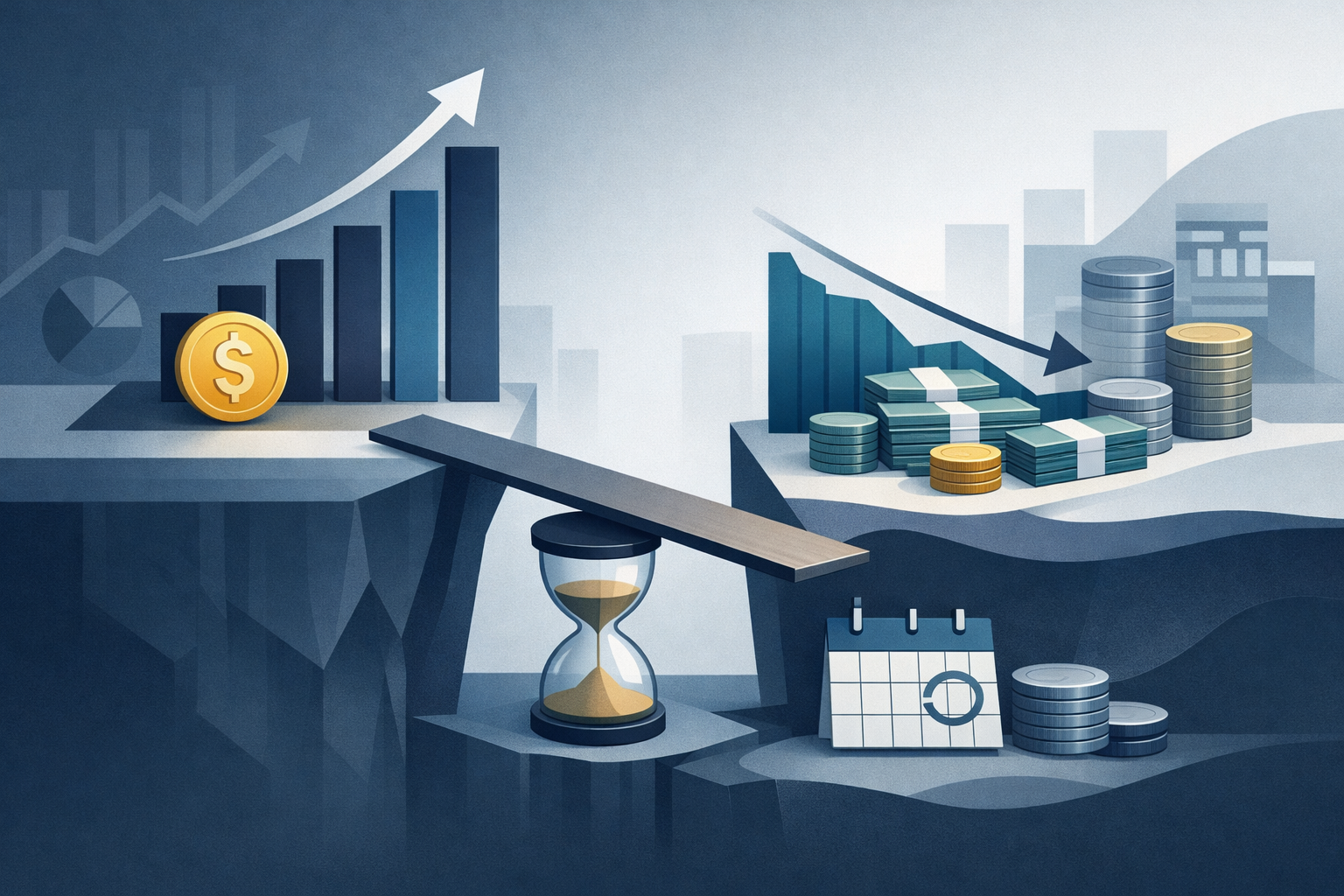
Profit (net income) reports the economic result of business activity over a period: revenues less expenses. Cash is the money you can spend today—your bank balances and other liquid resources. Differences arise from timing, accounting conventions, non‑cash entries, and owner or financing transactions. Understanding the gap between profit and cash helps you avoid surprise shortages and plan for taxes, payroll, and year‑end decisions.
Key financial reports and what they tell you
Income statement (profit)
The income statement shows revenues and expenses for a reporting period and yields net income. It records activity as it is earned or incurred—not necessarily when cash moves.
Balance sheet
The balance sheet lists assets, liabilities, and equity at a point in time. It includes accounting cash, receivables, inventory, and payables—items that affect your cash position even when they don’t flow through the income statement immediately.
Statement of cash flows
The statement of cash flows explains how net income translates into changes in actual cash by separating cash from operations, investing, and financing activities. If you don’t have a formal statement, a simple reconciliation from net income to cash from operations serves the same purpose.
Accrual vs. cash accounting
Accrual accounting records revenues and expenses when they are earned or incurred. Cash accounting records them when cash is received or paid. Accrual accounting can show profit even when cash hasn’t arrived; cash accounting shows cash timing directly. The chosen method affects the relationship between net income and bank cash.
Non‑cash expenses and working capital
Some entries—like depreciation or amortization—reduce profit without using cash in the reporting period. Changes in working capital (accounts receivable, inventory, accounts payable) cause timing gaps: sales can increase profit while receivables reduce cash, and prepaid purchases can reduce cash before related sales occur.
Common causes of a profit‑vs‑cash gap
Sales on credit that create accounts receivable.
Upfront inventory or supplier payments before sales occur.
Expense recognition timing that differs from actual payment dates.
Non‑cash accounting entries that affect profit but not cash.
Capital transactions—owner draws, contributions, loan proceeds, and principal repayments—that change cash but not operating profit.
Unreconciled bank accounts or bookkeeping errors that misstate cash or profit.
Why this matters now, before the 2026 year‑end
Aligning profit and cash ahead of year‑end helps you set aside tax reserves, ensure payroll and vendor payments, decide on capital purchases or owner distributions, and produce reliable year‑end financials. Treat year‑end as a time for focused reconciliation rather than last‑minute assumptions.
Actionable checklist: reconcile net income to bank cash
Follow these steps to bridge net income and the cash you can spend:
Perform bank reconciliations for all business bank accounts and confirm reconciled balances.
Compare reconciled cash balances to the cash line on the balance sheet and note any differences.
Prepare a simple reconciliation: start with net income and adjust for non‑cash items (e.g., depreciation) and working capital changes (Δ receivables, inventory, payables) to arrive at cash from operations.
Review accounts receivable aging and follow up on overdue invoices.
Review accounts payable; prioritize near‑term obligations and negotiate payment terms if needed.
Confirm inventory quantities and valuation method with a physical count where practical.
Document non‑cash items recorded in expense lines so they are not treated as spendable cash.
Separate and record owner draws and capital contributions distinctly from operating cash flows.
Create or update a short‑term cash forecast (cash runway) showing cash inflows and outflows through year‑end.
Practical example (qualitative)
A California retailer records many sales during a busy season, often on credit. The income statement shows a profitable period, but the bank balance is lower because the owner paid suppliers upfront for inventory and many customer invoices remain unpaid. By reconciling net income to cash from operations, the owner identifies the timing gap, prioritizes collections, negotiates delayed payment terms with vendors, and postpones a nonessential equipment purchase until cash improves.
When to consult an accounting or tax professional
Consider professional help if any of the following apply:
Large or unexplained differences between reported profit and bank cash.
Complex transactions such as business sales, equity exchanges, or loan restructures.
Uncertainty about whether accrual or cash accounting is appropriate for tax or reporting.
Questions involving payroll, payroll tax, sales tax, or other California regulatory matters that could affect compliance.
Need for audited or reviewed financial statements, or documentation to support financing or investor requests.
Frequently asked questions
Q: Is profit the same thing as the money in my bank account?
A: No. Profit (net income) tracks revenues minus expenses for a period. Bank cash is the money you can spend immediately. Timing, non‑cash entries, receivables, payables, and owner transactions all create differences.
Q: Which report tells me how much cash I actually have?
A: Your bank statements show actual cash on deposit. The balance sheet shows the accounting cash balance. A statement of cash flows or a net‑income‑to‑cash reconciliation explains how profit translated into changes in cash.
Q: Should I switch accounting methods to make this simpler?
A: That depends on your business, reporting needs, and tax consequences. Changing methods can affect when income and expenses are recognized—consult a qualified accountant or tax advisor before making a change.
Q: I’m profitable but worried about year‑end taxes—what should I do?
A: Profit and taxable income are related but not always identical. Reconcile your records, set aside estimated tax reserves based on professional advice, and consult a tax advisor familiar with federal and California rules.
Q: Are there California‑specific rules I need to know?
A: California may have rules that affect payroll, sales tax, franchise tax, and other obligations that influence cash needs. Verify any state‑specific rules with the appropriate California agencies and your tax or legal advisor.
Important cautions
This guide is educational and does not replace professional tax, legal, or accounting advice. For statements that imply legal, tax, or filing obligations, or for decisions that depend on current federal or California rules (including IRS, California Franchise Tax Board, Employment Development Department, and other state agencies), confirm requirements with official sources and a licensed CPA or tax professional before acting.
Next steps and how ALP can help
Download our free "Profit vs. Cash" checklist to follow the reconciliation steps above.
Schedule a year‑end records review with ALP to reconcile profit and cash and identify potential shortfalls.
Book a short consultation to review your statement of cash flows and a simple cash runway forecast.
Ask about ALP bookkeeping cleanup services to ensure bank reconciliations and receivables are current before year‑end.
Practical takeaway
Recognize that profit is not cash and use bank reconciliations, a net‑income‑to‑cash reconciliation, aged receivables/payables reviews, and a short‑term cash forecast to reduce year‑end surprises. When in doubt or when transactions are complex, consult a qualified accounting or tax professional familiar with California rules.